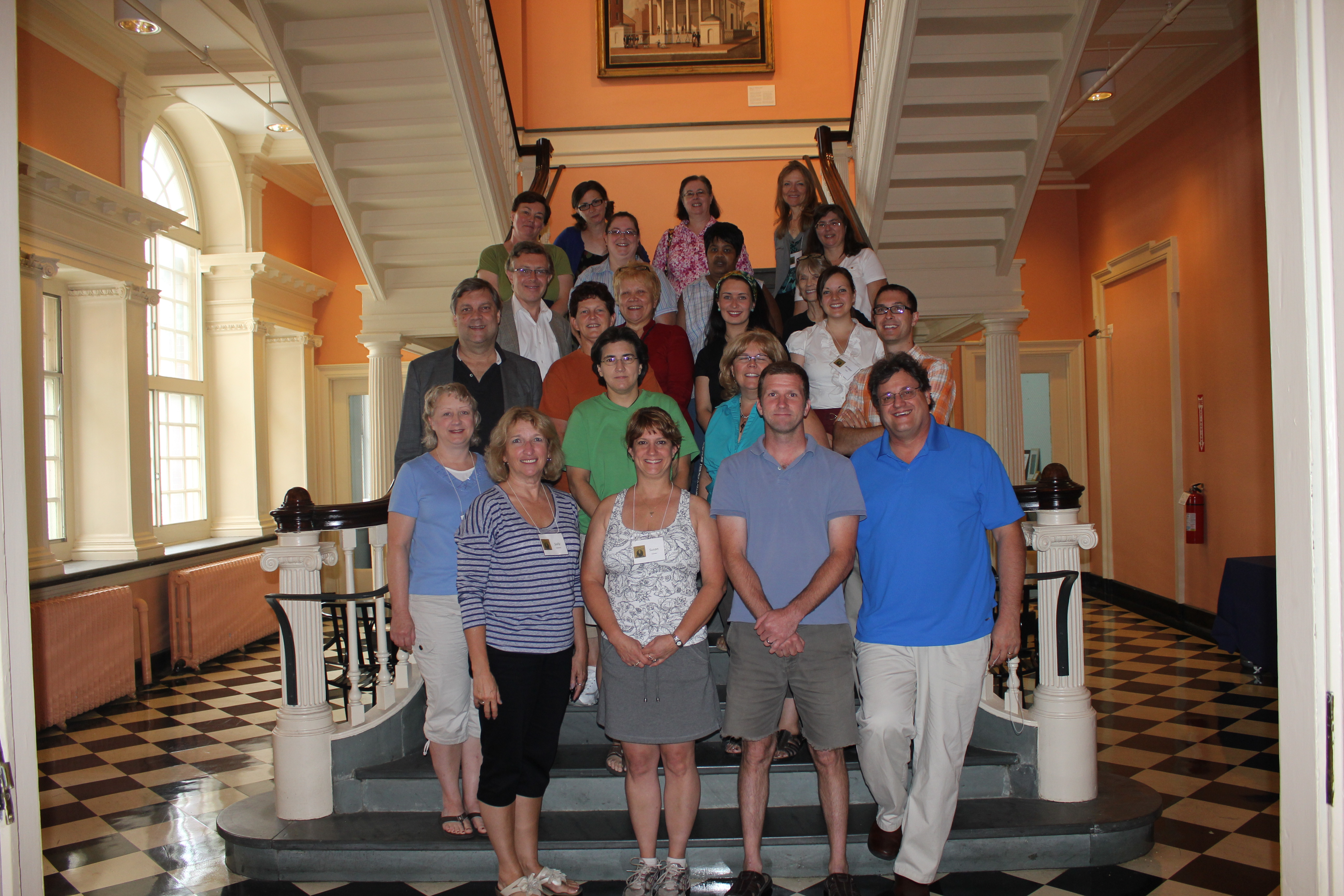
Franklin's Thrift: A Summer Teacher Institute 2012
Is Thrift an idea that defines American qualities, or just an old fashioned concept that has no place in modern America?
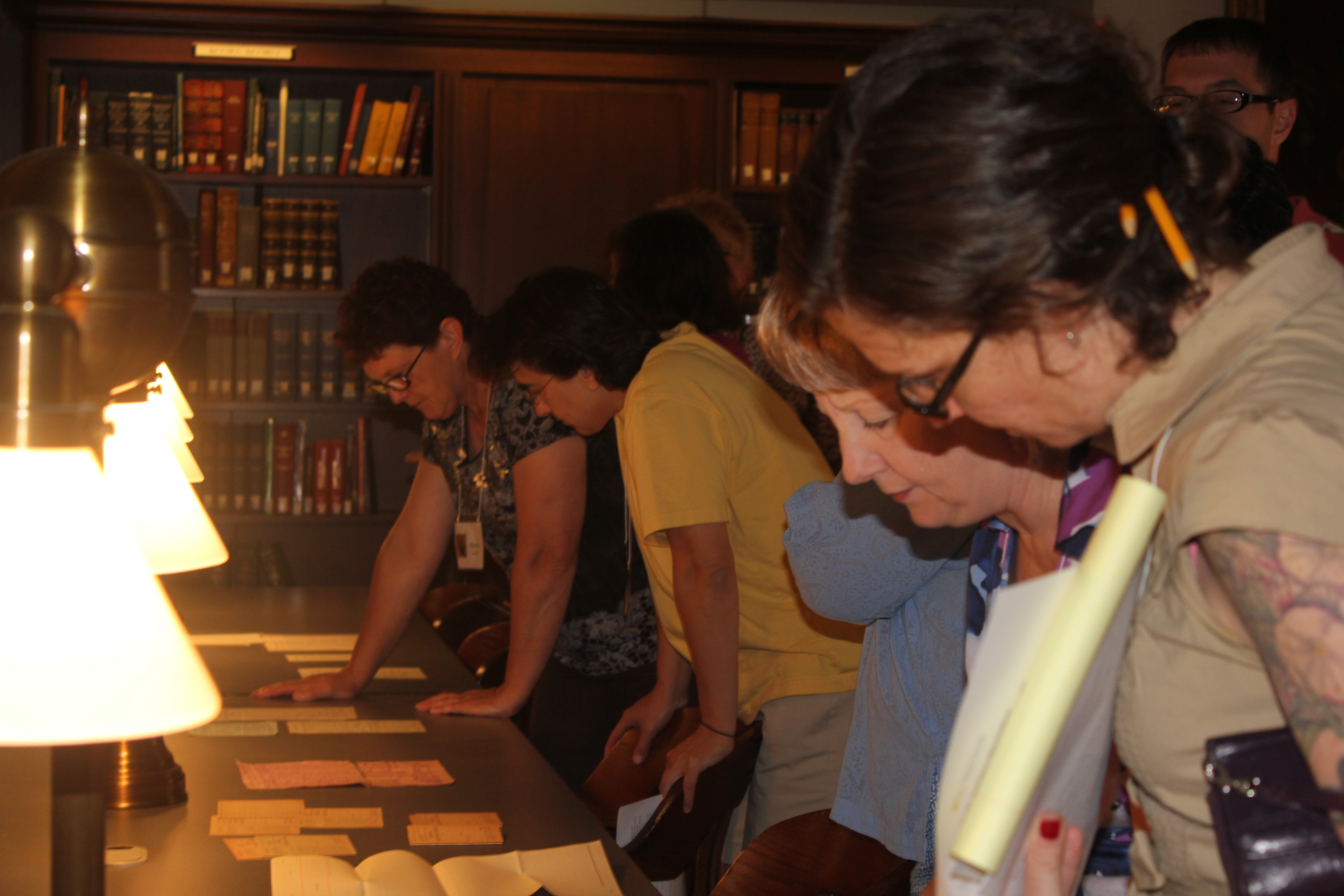
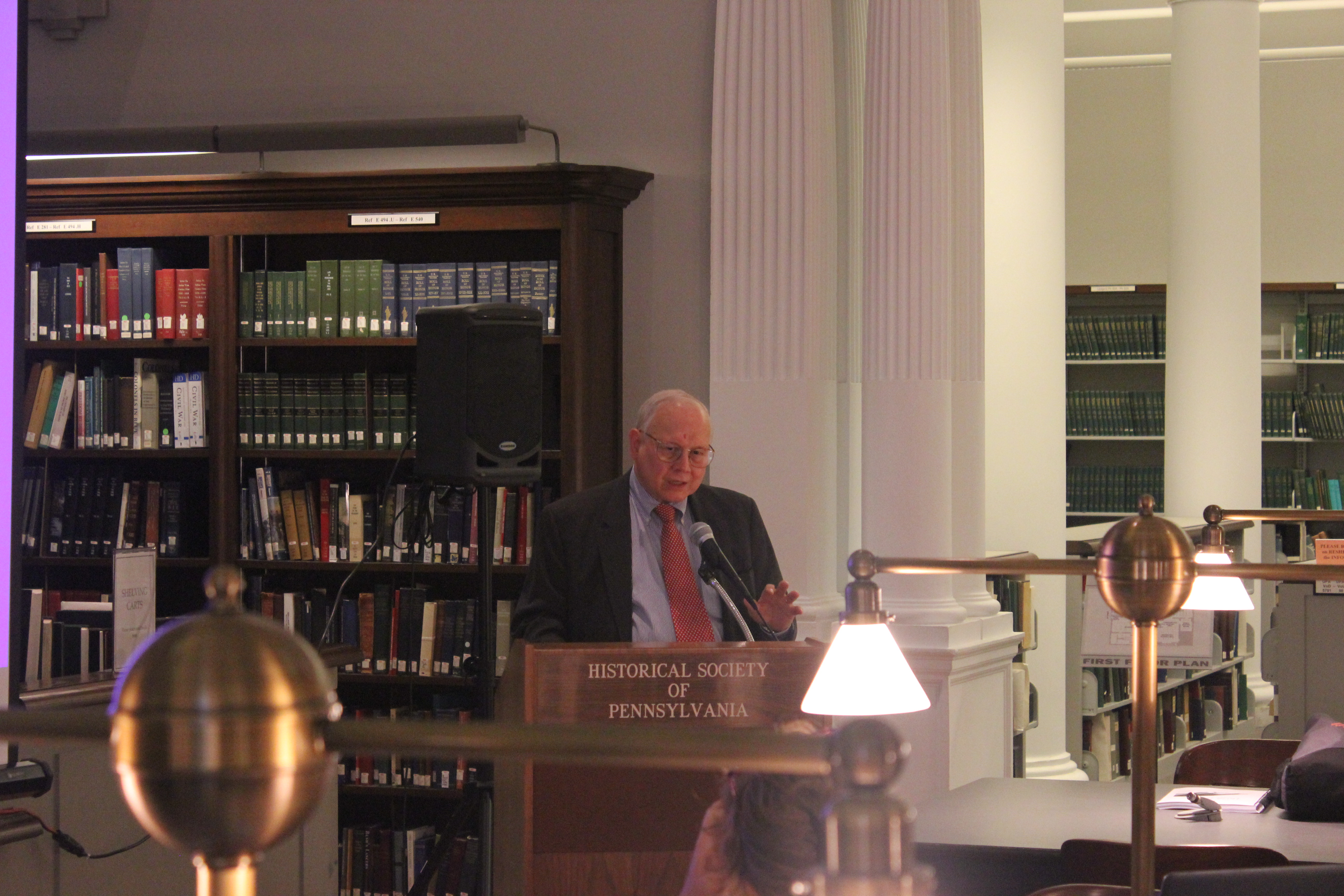
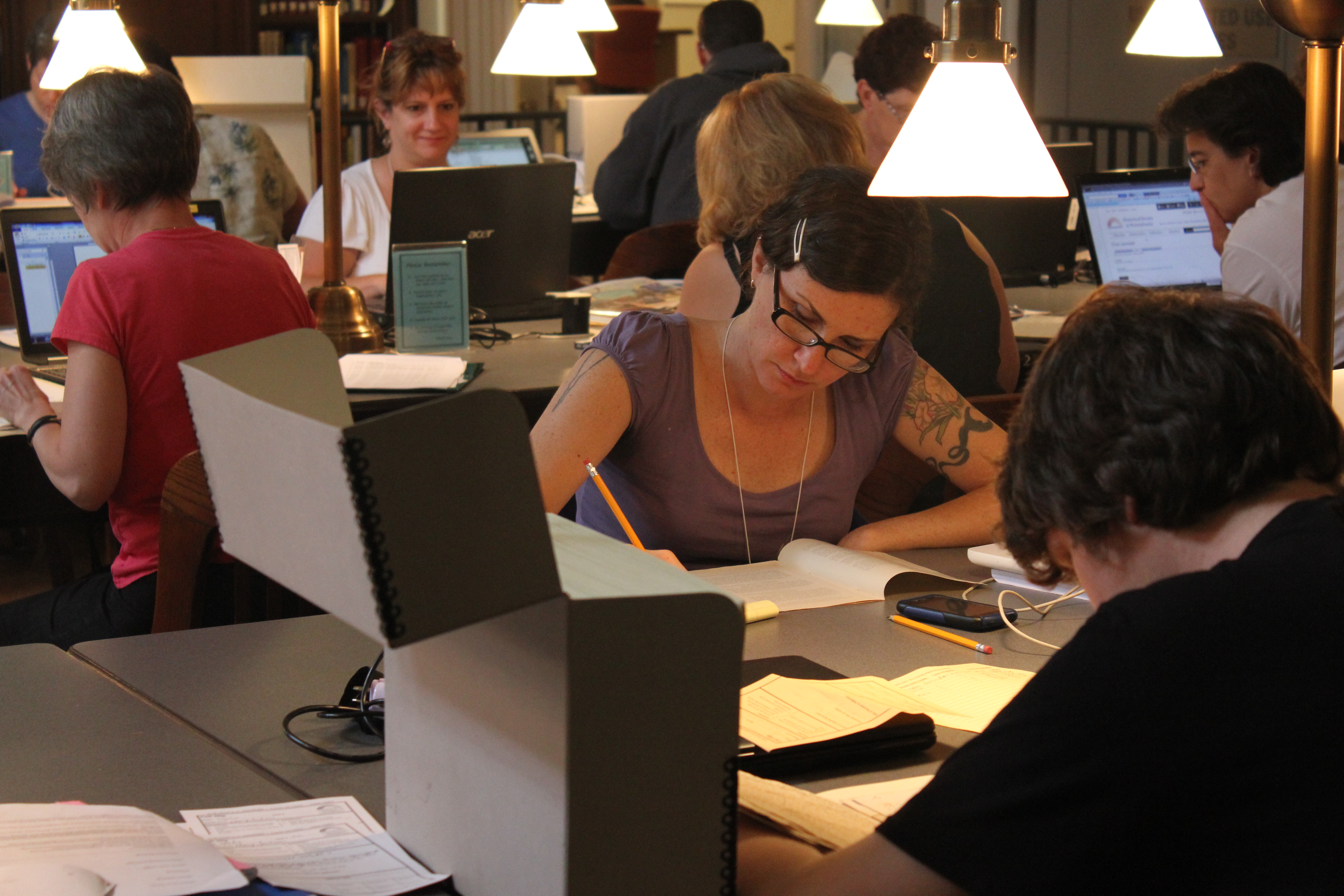
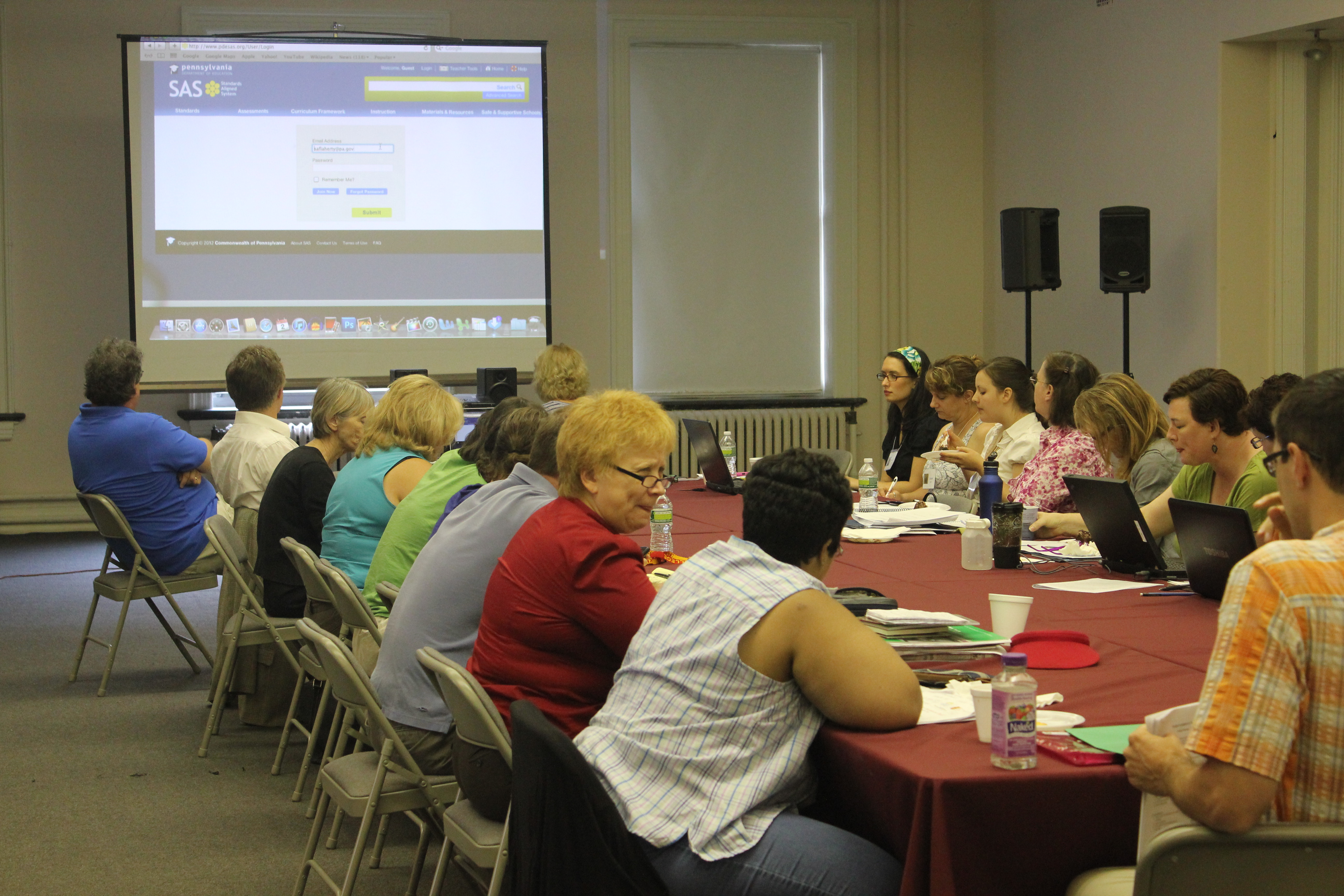
In July 2012, the Historical Society of Pennsylvania hosted a residential teacher institute in consultation with the Institute for American Values and Sally Flaherty of Pennsylvania's Department of Education. David Blankenhorn and Barbara Defoe Whitehead as scholars-in-residence led 15 teachers from around Pennsylvania in exploring these questions. Experts in the fields of thrift, historic document and artifact interpretation, and standards aligned system curriculum writing worked with the teachers to define thrift and think about its place in education today. Teachers learned how to use primary documents incorporating Common Core standards with the Pennsylvania Academic Standards and created lesson plans.
Click on the main photo to view the various activities of the Institute.